
Piet Hoffmann’s Survival
Three SecondsThis thread follows Hoffmann’s changing relationship to danger, from deliberate emotional detachment to a desperate escape and renewed hope of seeing his family.
increasing Bearing strength in each event
 decreasing
Bearing strength in each eventdecreasingA Man Between Identities

Piet and Paula
A practiced role
Hoffmann has spent years performing as Paula, a criminal persona built from real experience and intelligence-system fabrications. He can move between husband and infiltrator, but the border between them has become difficult to see.
His skill keeps him alive while making ordinary honesty harder.
The cost of control
He believes that surviving means trusting only himself and keeping his emotions under control. That rule protects him in dangerous rooms, but leaves him alone even with people who love him.
The story tests whether a person can remain fully human while continually rehearsing another identity.
The Family Boundary Breaks
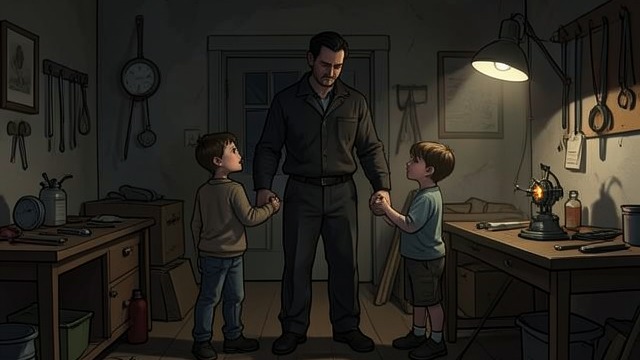
Bringing Home Into Danger
A broken promise
Hoffmann takes Hugo and Rasmus with him while preparing a covert prison operation, bringing them near drugs and explosives. He had promised not to involve his family in the work.
Their presence makes him recognize that the promise has already been broken.
Shame and urgency
He tells Zofia that he has lied for years and explains the planned arrest and prison sentence. She listens in silence, leaving him unable to control her response.
Confession gives her the truth but cannot guarantee that she will remain with him.
The Prisoner’s Fear
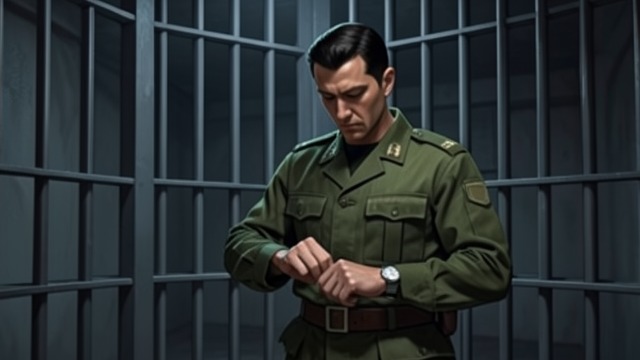
Numbness as Protection
A deliberate emptiness
Inside the prison, Hoffmann suppresses thoughts of Zofia and the boys because longing could undermine his concentration. He performs toughness to gain status and uses a strict morning routine to prepare for possible attack.
Emotional distance is not a lack of love; it is a strategy for remaining alive.
The exposure
When prisoners learn that he is an informant, the identity he built as a violent criminal cannot protect him. His fear becomes physical, and the authorities he expected to help do not answer.
His survival mode is pushed from controlled performance into panic.
A Choice to Keep Living

Death as a Plan
Shaping the blast
Hoffmann arranges explosives and the sniper’s line of fire so that the authorities believe he is about to die. He moves at the crucial moments, then stands still when the final shot is ordered.
The staged death is a calculated gamble, not a simple wish to die.
A narrow survival
He uses the explosion to protect himself behind a concrete pillar and escapes through the damaged building. The plan succeeds only because timing and preparation align.
His willingness to risk death is inseparable from his refusal to surrender the possibility of returning to his family.
A Future Still Possible
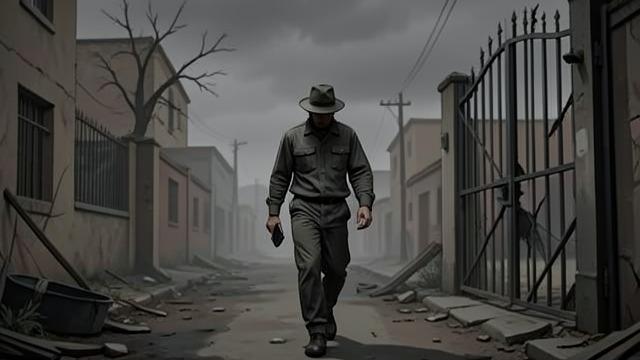
Beyond the Prison Wall
A hidden escape
Hoffmann leaves Aspsås in a prison uniform and changes his appearance before crossing the outer gate. He has survived the operation that officials and his criminal associates believed had killed him.
His whereabouts remain undisclosed.
A final contact
He calls Wilson on the secret phone and reports that the mission is complete. Wilson’s reply restores a connection that had seemed severed by betrayal and death.
The ending gives Hoffmann a future, but not a settled return to Zofia or his children.
Before the opening delivery
The days before Hoffmann’s arrest
The first days at Aspsås Prison
During the May 27 workshop crisis
The closing pages
